Company News
Qixing Electronics: One-Stop OEM/ODM for Portable Audio
2026-11-06 06:09
Design, tooling, prototyping, packaging and production under one roof — a practical look at Qixing's OEM/ODM workflow for portable audio brands.
Launching a portable audio product usually involves several suppliers: one for design, another for tooling, a third for electronics, and someone else for packaging. Each handoff adds time and creates room for details to be lost. Qixing was set up to keep those steps closer together.
One Partner from Concept to Carton
Our OEM/ODM service covers the product from the first brief to the packed carton. That includes industrial design, mechanical engineering, prototyping, tooling, sample validation, mass production and export packaging.
- Industrial and packaging design
- Mechanical engineering and prototyping
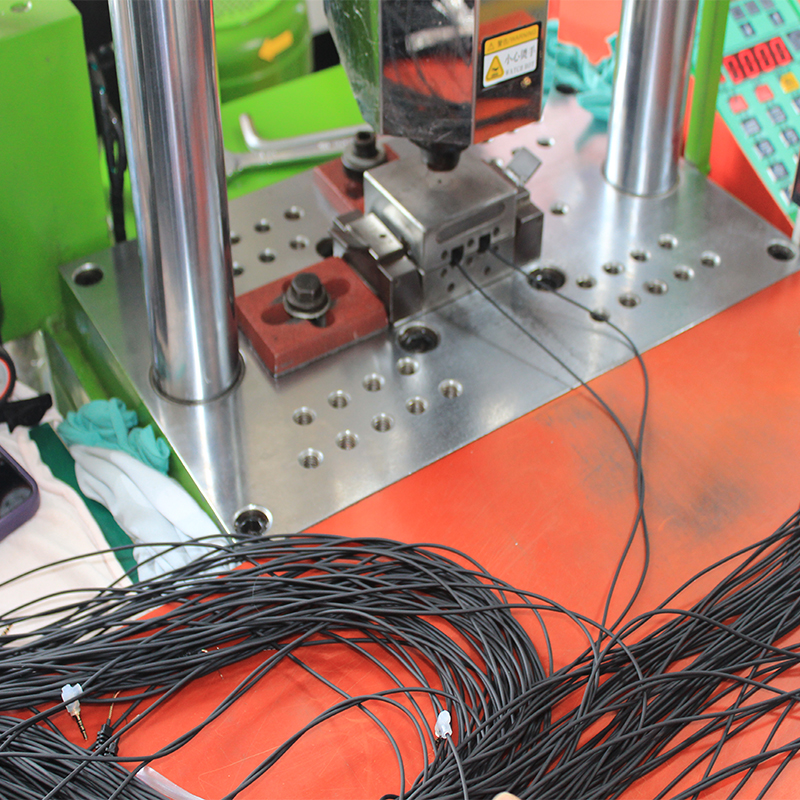
- Tooling, molding and sample validation
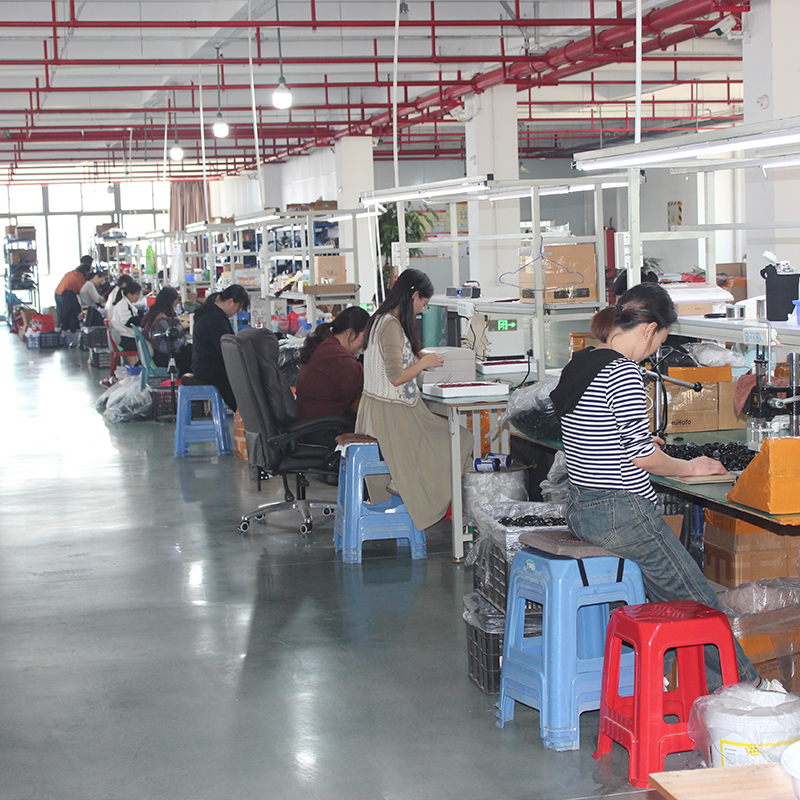
- Mass production and export packing
Keeping these functions in one team makes the trade-offs visible earlier. A design decision that looks good in a rendering can be checked against tooling cost, assembly time and packaging before the project moves too far.
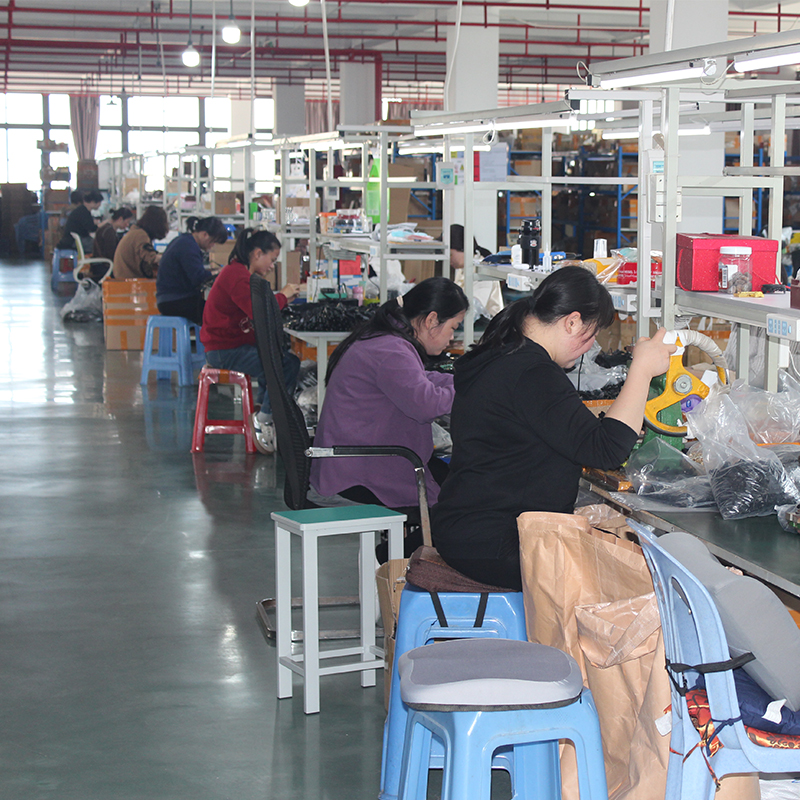
Built Around the Product, Not the Factory
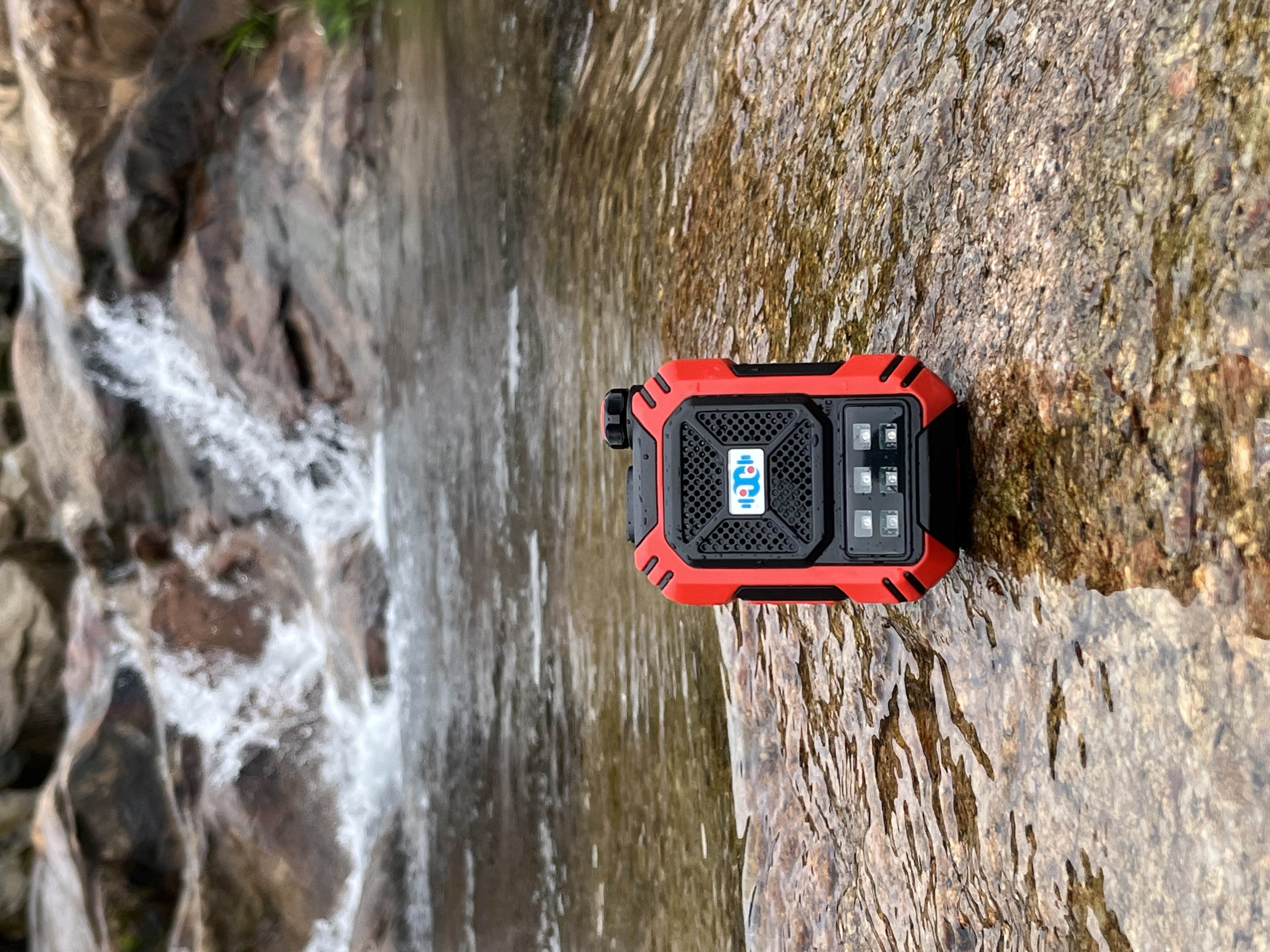
We produce portable Bluetooth speakers, mini Bluetooth speakers, Bluetooth megaphones and wearable audio products. Each category has its own enclosure, acoustic and wearing requirements, so the production line is organized around the product rather than forcing every model through one fixed process.
Customization without losing consistency
For private-label projects, customization can include housing color and finish, grille treatment, logo placement, packaging artwork and accessory selection. The goal is to make the product fit the brand while keeping the core build repeatable from sample to mass production.
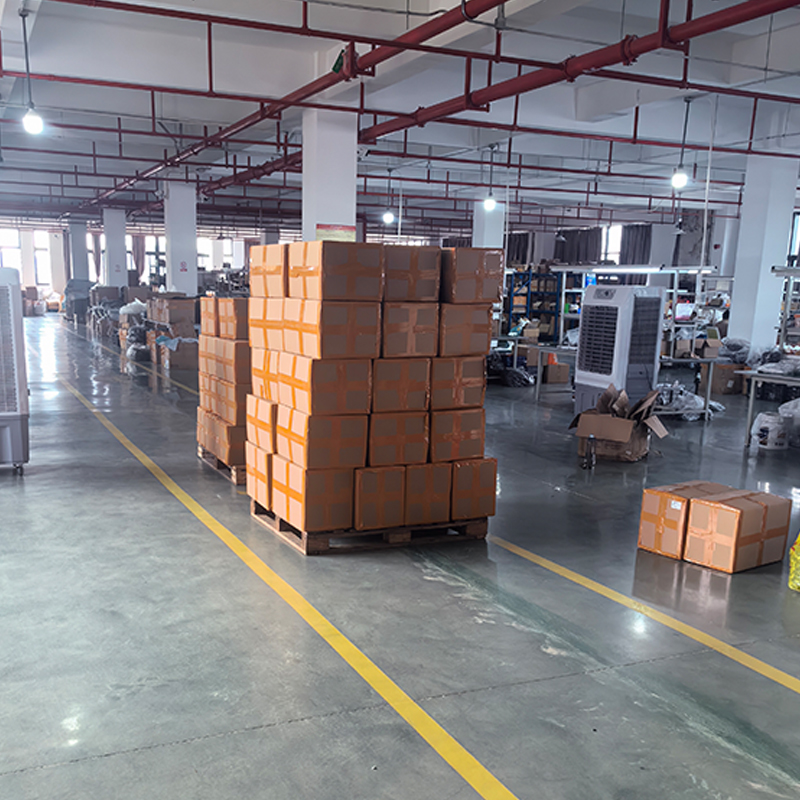
Every approved sample becomes the reference for production. Inspection points cover appearance, fit, function and packing, so a later batch can be compared against the same standard rather than a verbal description.
A Clearer Path to Market
For a new brand, the first decision is usually whether to adapt an existing platform or develop a new enclosure. We help compare the two routes in terms of tooling investment, lead time, differentiation and target price.
For an established brand, the priority is often consistency: the same product, the same finish and the same packaging across repeat orders. Clear documentation and a stable production process matter more than a long list of features.
If you are planning a portable audio range, the most useful starting point is a short brief: use case, target market, reference product and expected volume. That is enough to recommend a platform, outline the customization options and map the next steps.